Is Your Brain Quietly Working Against Your Health?

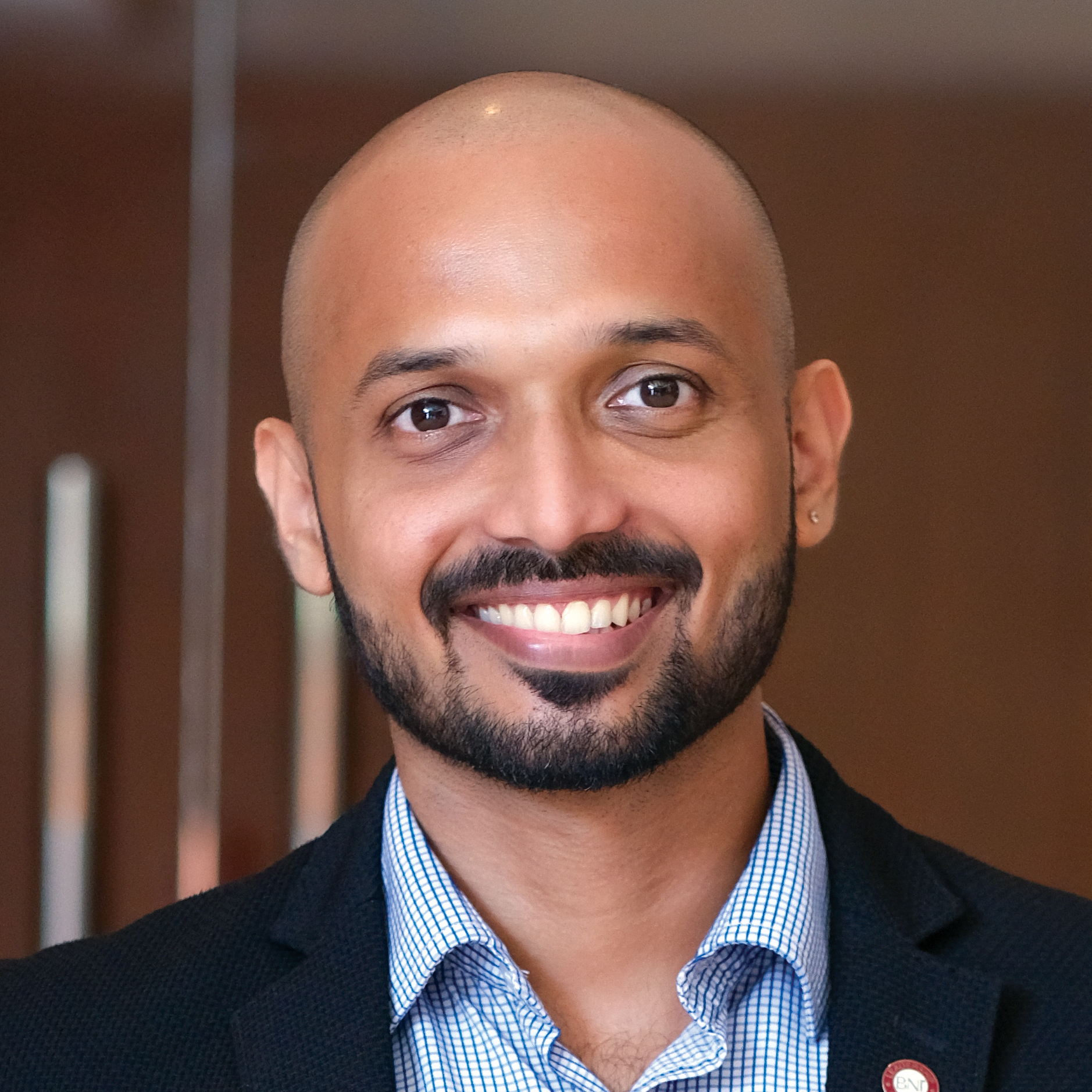
Rajiv Ambat
Lifestyle Disorders Coach & Founder – SOLVEMyHealth
Most people already know what a healthy lifestyle looks like – eat better, exercise regularly, sleep well, and manage stress. Yet, despite knowing all this, many people struggle to follow it consistently. If the problem isn’t lack of knowledge, then what is?
Take Kerala as an example. We have one of the highest literacy rates in India and ranks high on the Human Development Index. Awareness about health, diet, and disease is relatively better compared to most parts of the country. And yet, Kerala has one of the highest rates of diabetes – more than double the national average. Almost every Malayali with diabetes knows what to do – reduce sugar, control portions, exercise regularly, lose weight. But the problem still persists, and worse – it continues to grow!
This clearly tells us that the issue goes beyond genetics or just a predisposition of the population. If it were only genetics and lack of knowledge, awareness and education should have slowed things down. But that hasn’t happened.
The real issue lies in how our mind works. Our daily health decisions are not purely logical; they are influenced by automatic patterns, biases, beliefs, emotional triggers, and habits that operate quietly in the background. These
patterns shape what we eat, whether we exercise, how we respond to stress, and how consistent we are over time. The human brain is often wired to prioritise immediate comfort over long-term benefit. It prefers convenience over effort, reward over discipline, and familiarity over change. In today’s environment where unhealthy choices are easily available, this wiring of our brain often works against us. That is why even informed, well-meaning people struggle to follow through on healthy habits.
Cognitive Biases: When Your Thinking Misleads You
Most of us believe our decisions are logical- that we weigh pros and cons and act accordingly. But in reality, many choices are shaped by hidden mental shortcuts, known as cognitive biases. These are not flaws; they are part of how the brain works. While useful for quick decisions, they often work against us when it comes to long-term health.
- One of the most common is present bias – our tendency to prioritise what feels good right now over what benefits us later. This is why choosing a tasty, unhealthy meal feels easier than sticking to a balanced diet, or why skipping a workout today feels justified, even when we know it matters in the long run. The brain values immediate reward more than delayed outcomes, and health is almost always a delayed investment.
- Then there is optimism bias – the belief that serious consequences are unlikely to happen to A person may know the risks of high blood sugar or weight gain, but still feel that things are “under control” or can be managed later. This delays action until the problem becomes harder to reverse.
- We also see normalcy bias at play, especially in environments where unhealthy habits are common. When everyone around us eats poorly, sleeps less, and avoids exercise, it starts to feel normal. Over time, this shifts our baseline of what we consider acceptable behaviour.
- Another powerful influence is confirmation bias – our tendency to look for information that supports what we already For example, someone who lived long despite unhealthy habits can feel more convincing than years of scientific evidence.
- And then, there is the planning fallacy, where we overestimate our ability to follow through on ambitious plans. Many people set unrealistic goals – strict diets, intense workout routines, sudden lifestyle changes, only to struggle within a few days. When expectations are not met, it often leads to frustration and loss of confidence.
Rationalisations: The Stories That Keep Us Stuck
If cognitive biases are automatic, rationalisations are more deliberate. They are the stories we tell ourselves to justify choices that do not align with what we already know is right, and over time, they become a major barrier to consistency.
- A common one is the “I deserve this” mindset. After a stressful day, rewarding ourselves with food or skipping a workout feels justified. The intention is understandable, but when relief consistently comes from unhealthy choices, the pattern gets reinforced.
- Then there is “I’ll start tomorrow.” It sounds like planning, but is often just postponing discomfort. The issue isn’t delay once in a while, it’s the repeated cycle of delay without action.
- “I don’t have time” is another familiar explanation. While modern life is busy, this is often less about time and more about energy and priorities. When sleep is poor and stress is high, even simple actions feel difficult, and health gets pushed aside.
- “I’ll compensate later” follows a similar pattern of overdoing today with the intention of fixing it tomorrow. In reality, this leads to inconsistency rather than progress. And “just this once,” repeated often enough, quietly becomes the norm.
Emotional Drivers: When Feelings Override Logic
Not all health decisions are logical – many are driven by how we feel in the moment. Stress, boredom, fatigue, and frustration often influence behaviour more than knowledge or intention.
- A common example is stress eating. After a demanding day, food becomes a quick way to feel Over time, this creates a link between stress and eating, where the behaviour is less about hunger and more about coping. Emotional eating works similarly. Food is used to manage boredom, frustration, or loneliness, while the underlying issue remains.
- Another pattern is the guilt–avoidance loop. After overeating or skipping workouts, people feel guilty and then avoid tracking or Instead of correcting the behaviour, they disengage, which prolongs the problem.
- All-or-nothing thinking adds to this. A small deviation in your diet is seen as failure. “I have already broken it”, leading to further slip-ups instead of simply getting back on track.
Identity & Beliefs: The Invisible Limits We Set
Beyond thoughts and emotions, something deeper shapes behaviour – our identity and the beliefs we hold about ourselves. Most people don’t realise this, but we rarely act against who we believe we are.
- Statements like “I’m not a fitness person” or “I don’t have discipline” may sound casual, but over time they become self-imposed limits. Behaviour tends to fall back in line with these beliefs. This is reinforced by a fixed mindset, a concept popularised by Carol Dweck, where abilities are seen as fixed. In this view, setbacks are taken as proof that change isn’t possible, rather than acknowledging that setbacks are part of the process.
- Repeated failures can also lead to low self-efficacy – the belief that “I can’t stick to anything”, which reduces effort even before starting.
- There is also the issue of priority. Many people value health, but in practice it comes after work, family, and daily pressures. The belief becomes “I’ll focus on it later,” and that “later” keeps getting postponed.

The Language in Your Head: How Self-Talk Shapes Your Health
There is a quiet, ongoing conversation in your mind that most people rarely notice. It shows up in how you think about food, exercise, your body, and your ability to change, and over time, it has a direct influence on behaviour. Consider a simple example: “I should not eat ice cream” versus “I cannot eat ice cream.” Both may lead to the same action, but the experience is very different. The first reflects choice and control, and is a self-empowered decision. The second statement feels like a restriction imposed by another person.
Self-talk also shapes identity. Statements like “I’m not a fitness person” or “I can’t stick to a routine” can become self-imposed limits, while blaming genetics or comparing with others can justify inaction. These thoughts feel like facts, but they are often interpretations. Small shifts in language from “I can’t” to “I’m choosing not to” can gradually change behaviour, because the way you speak to yourself doesn’t just reflect your actions, it shapes them.
The Knowledge–Action Gap: When Knowing Doesn’t Translate Into Doing
The gap between knowing and doing is one of the most overlooked aspects of health. Knowledge operates at a logical level, but behaviour is shaped by emotions, habits, environment, and ingrained mental patterns. Simply knowing what is right does not automatically override these influences.
In my career as a health and lifestyle coach, I have seen many who feel a sense of progress because they are reading a book about health, watching videos, or discussing it with someone. It can feel like progress, but without action, nothing really changes. Remember – ‘knowing’ is not doing, ‘doing’ is doing!
At SOLVEMyHealth, I often hear some of our clients say they’ll start next month, when work is lighter, when they are more at home and when life is less hectic. I usually tell them two things. First, even if you start now and manage only 60–70%, that is still progress; health doesn’t require perfection. An all-or-nothing approach is one of the biggest barriers to growth – not just in health, but in any area. Second, if your life is usually busy, waiting for free time doesn’t help. You need to learn to build health into your existing routine amid work, travel, and responsibilities. If you cannot follow a behaviour for the rest of your life within your busy work and personal life, then you will not sustain it!
When Systems, Surroundings, and Habits Work Against You
A large part of unhealthy behaviour is driven by our habits, our environment, and our daily lifestyle and choices. Much of this happens automatically, without conscious effort and at the centre of this is habit formation. The brain prefers efficiency, so repeated behaviours become automatic over time. Actions that provide immediate reward like eating processed foods, avoiding effort, get reinforced and repeated. Over time, these behaviours are triggered by cues such as stress, boredom, or even specific times of the day, making them feel almost automatic. The challenge is that unhealthy habits have immediate gratification, whereas healthy behaviours require effort and come with delayed gratification.
Our environment further amplifies this pattern. Today, unhealthy options are easily accessible, convenient, and socially accepted, while movement and exercise require planning. Behaviour is very easily formed in the path of least resistance. If unhealthy choices are easier and constantly visible, they become the default. This is why willpower alone is often not enough, because the surroundings are constantly nudging behaviour in a certain direction. Social pressure to conform further exacerbates this!
Finally, the absence of structure makes consistency difficult. Without routines, healthy actions get pushed aside by urgent tasks. Decision fatigue, poor sleep, and lack of accountability further reduce the ability to make good choices consistently. Many people rely on motivation, but motivation fluctuates and is not an infinite ‘akshaya-pathram’.
Awareness Is the First Step, Action Is The Next!
If you look at all these patterns – biases, rationalisations, emotions, habits, environment, and expectations, one thing becomes clear! Struggling with a healthy lifestyle is not a lack of discipline; it is the result of predictable psychological patterns.
The real problem is not knowing what to do, but knowing what is influencing your decisions. When you begin to recognise these patterns, you will feel empowered to choose differently. It is important to not stop at just being aware about these patterns, but what action we perform about it is equally important and defines the outcome.
The goal is not to eliminate these patterns, but to work around them. Make healthy choices easier, reduce daily decisions, build simple routines, and shape your environment to support you. Long-term health is not built on motivation, but on systems. And it starts with one simple understanding: if you don’t recognise these patterns, they will quietly guide your behaviour. And once you recognise these patterns, change your behaviour smartly!
Pic Courtesy: pegasus/ images are subject to copyright