Global Governments Roll Out Measures to Shield Households From Soaring Energy Costs
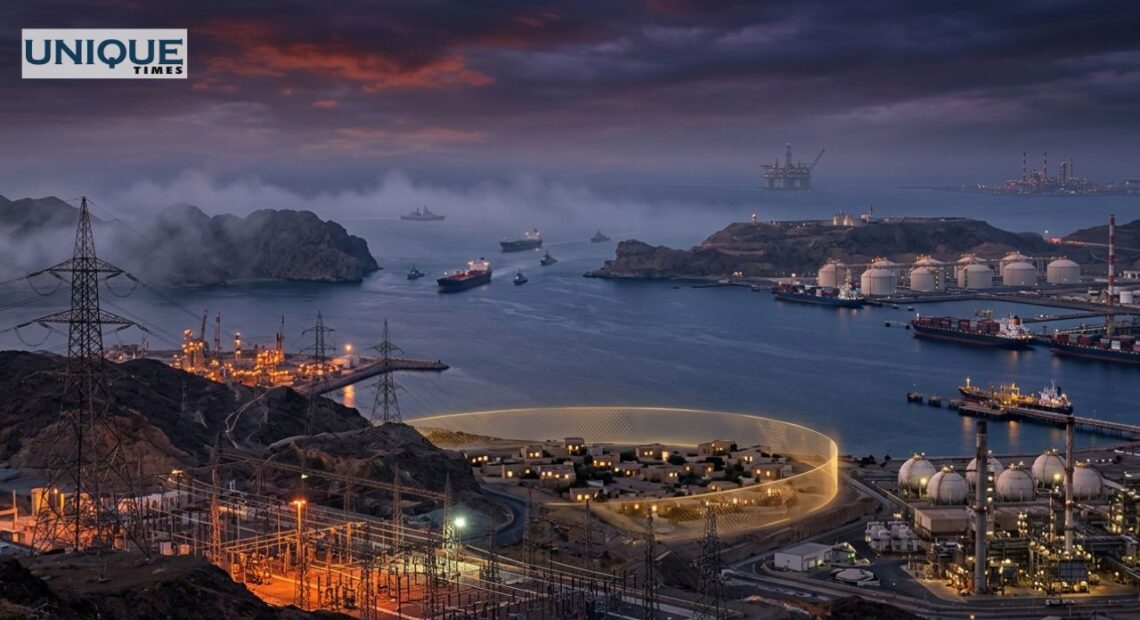
Governments worldwide are scrambling to shield consumers from skyrocketing energy costs triggered by the U.S.-Israeli war on Iran and the near-closure of the strategic Strait of Hormuz. The crisis has forced nations across the globe to implement drastic economic interventions. These emergency strategies range from strict price caps and tax adjustments to the strategic tapping of domestic fuel reserves to prevent widespread economic fallout.
In South America and Oceania, countries are taking varied tactical approaches to stabilize supply and costs. Argentina’s government recently issued a decree to partially increase fuel taxes while postponing further planned hikes until June. Meanwhile, Australia is actively releasing gasoline and diesel from its domestic reserves to ease critical shortages threatening rural supply chains, mining, and agriculture, alongside a prime ministerial push encouraging citizens to utilize public transit. Further north, Austria’s coalition government introduced a “petrol price brake” in March to cushion inflation, though officials announced on May 30 that they will begin shrinking the measure.
Conversely, developing economies are facing severe fiscal strain as they navigate the energy crunch. Bangladesh is aggressively seeking billions in external financing just to secure essential fuel and liquefied natural gas imports. Striking a difficult balance, the nation raised retail fuel and kerosene prices by 5 taka ($0.04) per litre on June 1—its second hike in six weeks—exacerbating inflationary pressures. Meanwhile, Brazil has entered the fray by announcing targeted relief measures, including direct subsidies for diesel and liquefied gas.
Pic courtesy: google/ images are subject to copyright