IMF Reclassifies India’s Exchange-Rate Regime Amid Rupee Volatility
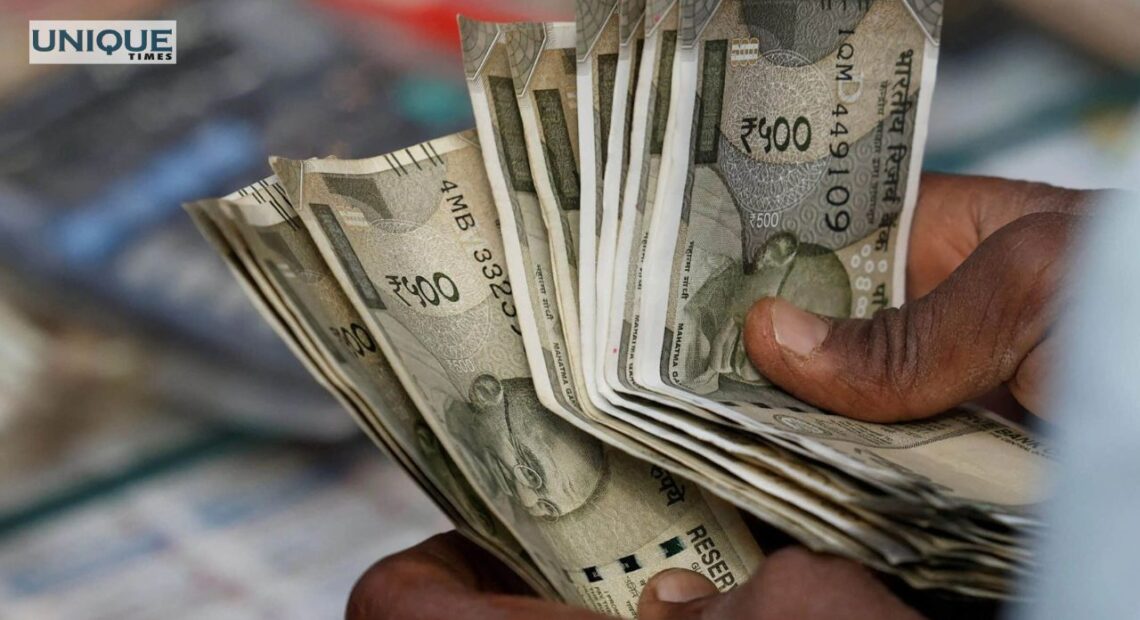
The IMF has reclassified India’s exchange-rate regime from a “stabilised arrangement” to a “crawl-like arrangement,” suggesting gradual, frequent adjustments in the rupee’s value. This shift comes two years after the agency flagged concerns over RBI’s heavy currency-market intervention. According to the IMF, the RBI continues to intervene regularly to limit excessive volatility, a stance that aligns with recent pressures as the rupee touched a record low before being stabilised by the central bank.
Under RBI Governor Sanjay Malhotra, the rupee has moved more freely, resulting in higher daily fluctuations. Despite this increased flexibility, the currency has still weakened about 4% against the dollar this year—making it the worst-performing among major Asian currencies—amid the impact of harsh U.S. tariffs on Indian exports.
The IMF maintained its 6.6% GDP growth forecast for India for the current fiscal year, assuming prolonged 50% U.S. tariffs across sectors. While exports are expected to take a hit, the agency said the broader macroeconomic impact remains manageable for Asia’s third-largest economy.
Pic Courtesy: google/ images are subject to copyright