Unlocking the Science Behind Mood Rings: How Temperature Changes Reflect Our Emotions
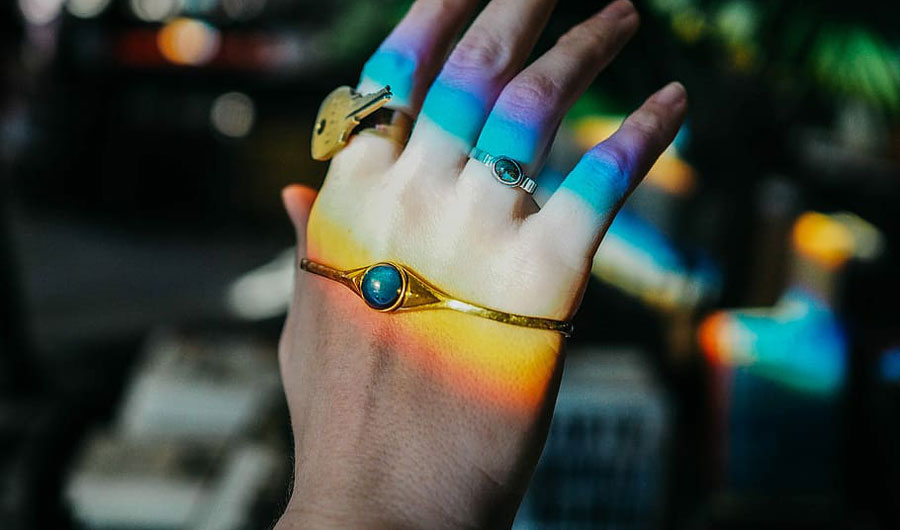
Mood rings became popular in the 1970s as a fashion accessory that could change colors in response to the wearer’s emotions. The rings are made of a special liquid crystal that is sensitive to temperature changes, which causes the ring to change color in response to the wearer’s body heat.
The science behind mood rings is based on the fact that our body temperature fluctuates based on our emotional state. When we are calm and relaxed, our body temperature tends to be lower, and when we are excited or anxious, our body temperature tends to be higher.
The liquid crystal in mood rings contains molecules that are sensitive to temperature changes, which cause them to change their molecular structure and absorb different wavelengths of light. This change in molecular structure is what causes the ring to change color.
However, it’s important to note that mood rings are not a scientifically accurate way to measure or predict emotions. The color changes in the ring are simply a response to temperature changes, which can be influenced by a variety of factors such as the ambient temperature, physical activity, or even the time of day.
Overall, mood rings are a fun and interesting accessory, but they should not be relied on as an accurate indicator of emotional state.
Picture Courtesy: Google/images are subject to copyright