Modi Allies Push Bigger Families as India’s Fertility Rate Falls
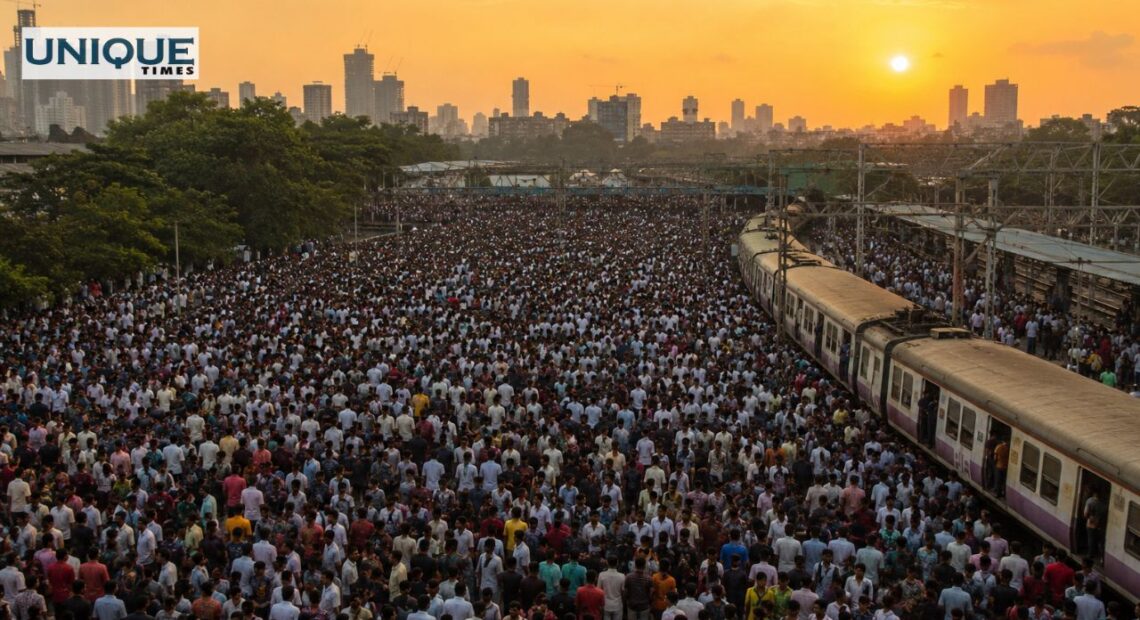
India’s declining fertility rate has sparked calls from allies of Prime Minister Narendra Modi to encourage larger families, despite the country already being the world’s most populous nation with 1.42 billion people. Government data shows India’s fertility rate dropped to 2 children per woman in 2019-21, below the replacement level of 2.1, driven by higher education among women and increased contraceptive use. The United Nations projects India’s population will continue growing for another four decades before peaking near 1.7 billion.
The southern state of Andhra Pradesh, governed by a coalition involving Modi’s party, announced new financial incentives for larger families. The state plans to provide 30,000 rupees for a third child and 40,000 rupees for a fourth child, revising an earlier proposal that only supported second-born children. Chief Minister N. Chandrababu Naidu said changing demographics and ageing populations in several countries have forced governments to rethink earlier family-planning policies.
The Rashtriya Swayamsevak Sangh (RSS), the ideological parent of Modi’s party, has also prioritised promoting bigger families, warning that falling fertility rates could create demographic imbalances and economic strain. Similar pro-birth measures have also emerged in Sikkim, where authorities offer maternity and paternity benefits along with IVF support. Meanwhile, India continues to face youth unemployment challenges, with joblessness among people aged 15 to 29 standing at 9.9% in 2025.
Pic courtesy: google/ images are subject to copyright