India Faces Prolonged Food Inflation as Prices of Grains, Chicken and Milk Rise
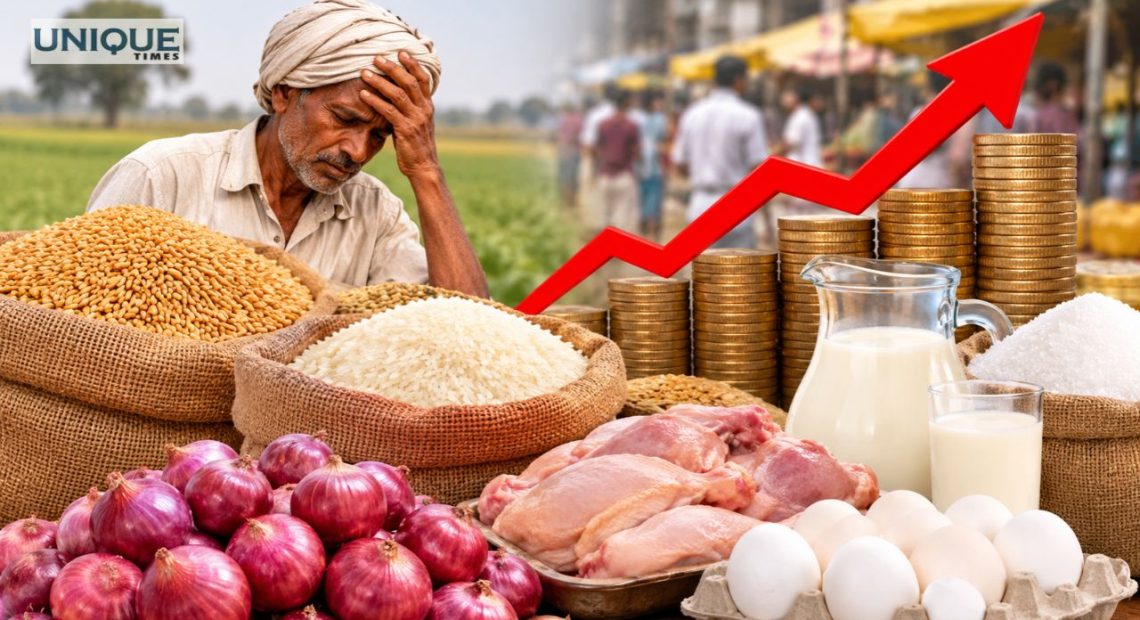
India is likely to face prolonged food inflation as weak monsoon rains, worsening water shortages and the impact of El Niño threaten agricultural production. Millions of farmers, particularly in southern and western India, are struggling to prepare for the winter cropping season due to insufficient soil moisture. Prices of essential food items, including sugar, pulses, wheat, rice, onions, milk and poultry products, have already increased. Food inflation could reach around 10% during the October-December quarter, according to India Ratings and Research.
Rising animal feed, transportation, packaging and energy costs are also pushing up prices of protein-rich foods such as chicken, milk and eggs. Corn and soybean account for around 60-70% of poultry production costs, putting additional pressure on producers. Broiler chicken prices could increase further from January as production costs rise and supplies tighten. Economists warn that prolonged protein inflation could particularly affect low-income households, forcing families to reduce their consumption of nutritious foods.
Limited sugar production, higher international commodity prices, a weaker rupee and increasing freight costs are adding to the pressure. Although India has surplus rice and wheat stocks, supplies of preferred grain varieties remain tight in some regions. Economists warn that continued food inflation could weaken household spending and increase pressure on the Reserve Bank of India to raise interest rates. The outlook for food prices will largely depend on winter crop production and upcoming weather conditions.
Pic courtesy: google/ images are subject to copyright