WHEN TAXES MAY NO LONGER BE ENOUGH

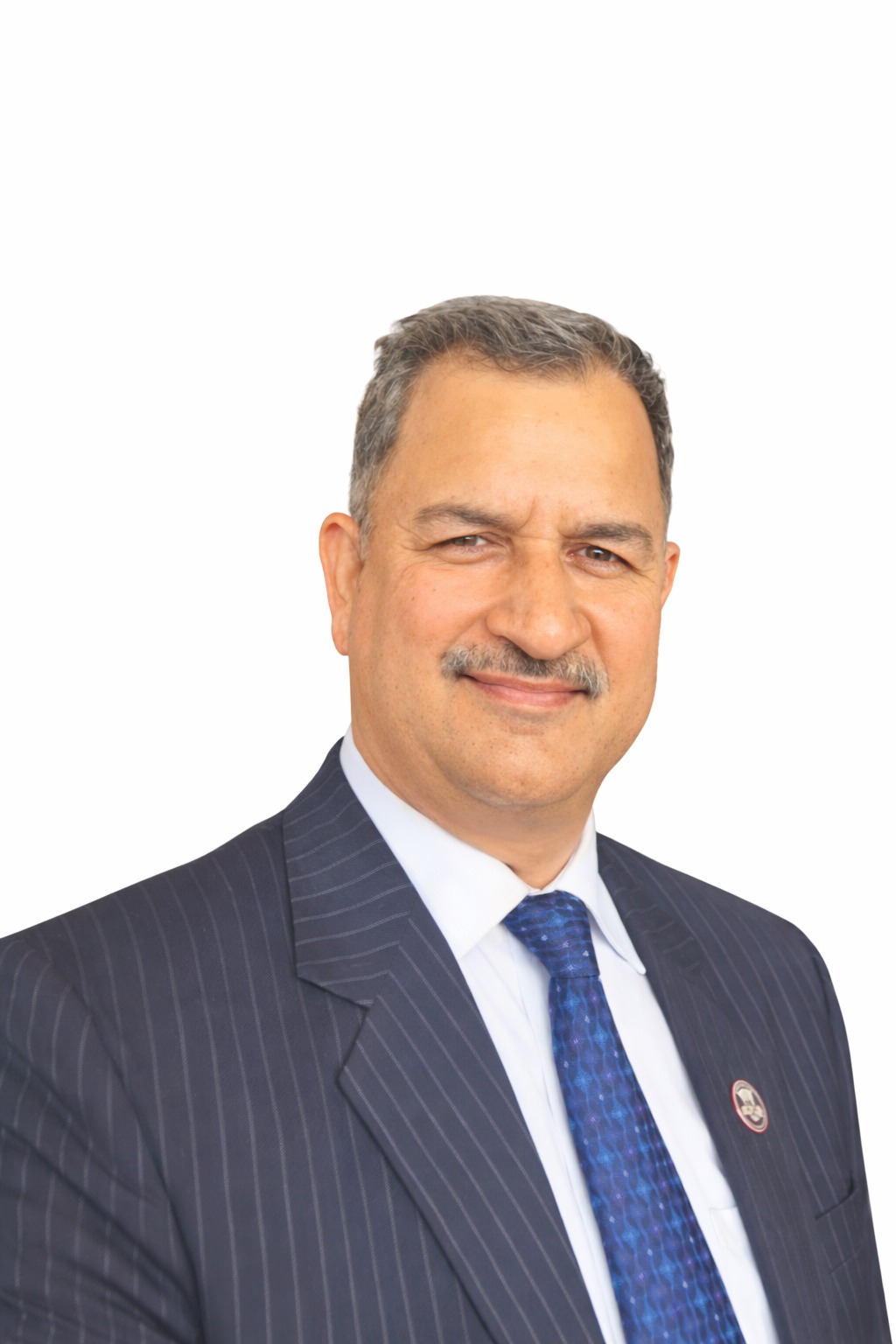
By,
Ravi Saini
Associate Editor, Unique Times &
CEO, RSW (Resetting Sustainable
Wealth) Group
A Perspective on Sustainable Economic Survival, Productive Capital Creation & Future Governance
In every developing economy, taxation is often projected as the primary instrument of national growth and public welfare. Governments continue expanding tax structures, widening compliance frameworks, and increasing revenue expectations in the hope of sustaining development and administration.
However, there exists a dangerous threshold that economies must recognise before it is too late. A nation cannot indefinitely survive on a model where borrowing finances survival while taxation merely services liabilities.
The real concern is not taxation itself. Taxation is essential for governance, infrastructure, security, and public welfare. The concern arises when productive wealth creation begins to slow while government expenditure, administrative overheads, and debt obligations continue rising disproportionately.
The greatest economic danger is not the deficit alone. It is a dependency.
There may come a time when the total taxes collected by governments may not even be sufficient to pay salaries, pensions, operational bills, subsidies, and interest liabilities. At that stage, nations may find themselves borrowing—not for expansion, not for development, but merely to survive. That is the beginning of economic exhaustion.
Borrowing for productive asset creation can strengthen a nation. Borrowing to sustain routine expenditure weakens the economic spine of governance itself.
The challenge before policymakers is therefore much deeper than increasing tax collection. The true objective should be:
- encouraging enterprise,
- creating sustainable capital,
- strengthening productive industries,
- supporting infrastructure creation, and
- generating long-term economic value.
Economic stability cannot emerge merely from extracting more revenue from the same cycle of taxpayers. It must emerge from expanding the nation’s productive capacity.
In this context, the traditional understanding of PPP models must also evolve. Public-Private Partnership should no longer remain merely a contractual arrangement between governments and businesses. It should transform into what may effectively become a Political Private Partnership—a strategic national development framework where governance institutions actively collaborate with productive private enterprise for long-term economic expansion.
Governments, both at the Centre and State levels, possess enormous institutional strength through Public Sector Undertakings (PSUs), land banks, sovereign credibility, infrastructure agencies, policy mechanisms, and strategic assets. These resources, when combined with entrepreneurial execution and innovation from the private sector, can generate significant non-taxable revenue streams for governments themselves.
This model can become one of the strongest alternatives to excessive taxation.
Rather than depending predominantly on direct and indirect taxes, governments can create recurring economic participation models through:
- infrastructure monetisation,
- industrial ecosystem development,
- sovereign-backed project participation,
- strategic equity structures,
- logistics corridors,
- renewable energy grids, and
- integrated industrial expansion.
Special emphasis must be placed on handholding support for MSMEs, which form the backbone of employment generation and productive economic circulation. If policy frameworks empower MSMEs through institutional access, sovereign facilitation, infrastructure support, and easier financing structures, they can become one of the largest contributors to sustainable economic resilience.
Simultaneously, India must aggressively position itself as a global destination for long-term infrastructure capital.
One of the most transformative reforms could be permitting up to 10 years of 100% tax exemption for Foreign Direct Investment (FDI) entering India through Rupee Denominated Bonds, specifically allocated toward nation-building infrastructure sectors. Such a policy could unlock unprecedented global participation in India’s development journey while simultaneously strengthening the Rupee internationally. These incentives should specifically target sectors critical to long-term national competitiveness, including ports, roads, bridges, underground infrastructure, renewable energy, EV ecosystem development, defence manufacturing, logistics infrastructure, water management systems, smart mobility networks, and integrated industrial parks.
Infrastructure investment should not merely be viewed as expenditure. It is national asset creation. A road is not merely a road. A port is not merely a port. Underground infrastructure is not merely construction. These are economic arteries that determine the velocity of national growth for generations.
The future belongs to economies that understand the difference between revenue collection and wealth creation.
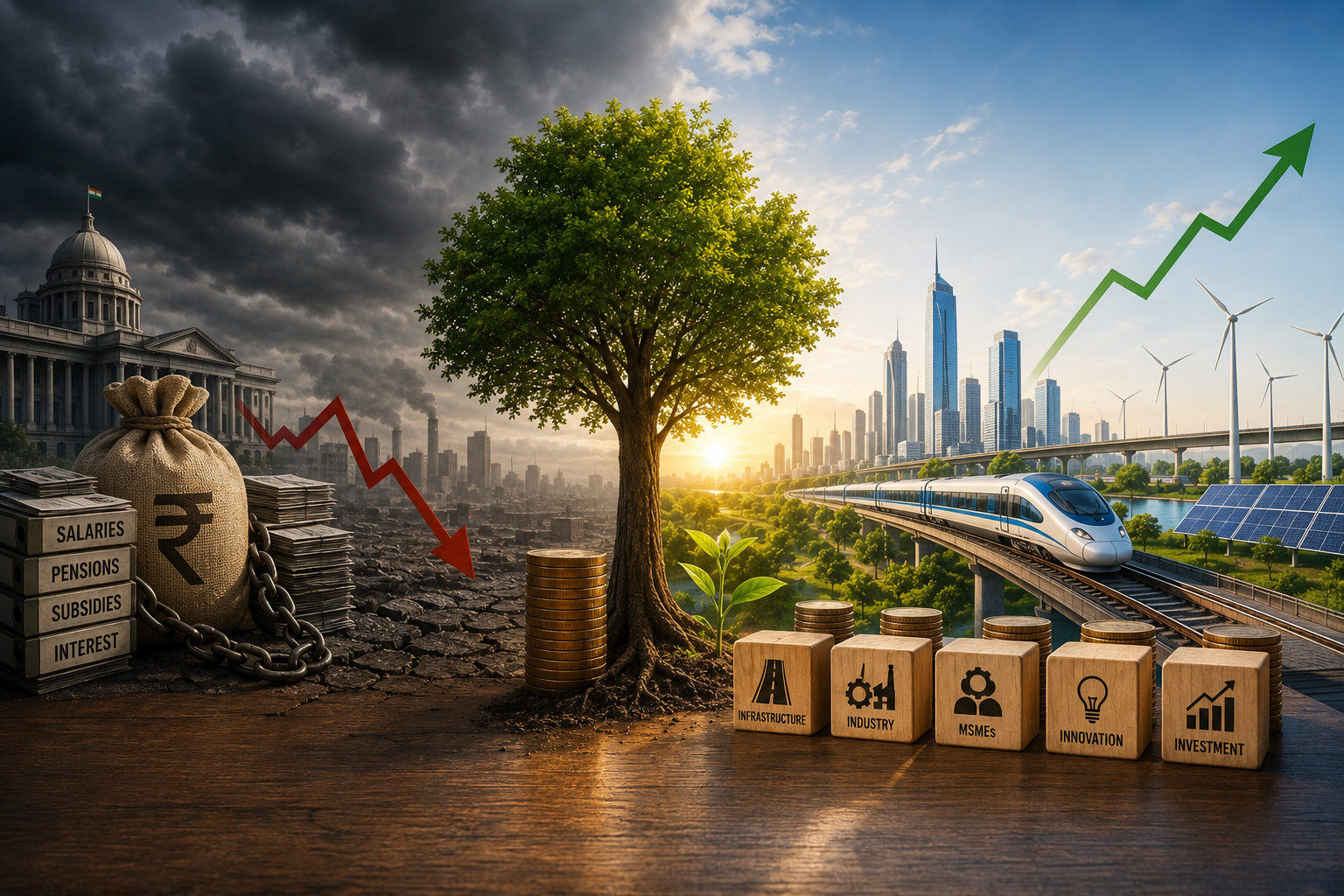
Fear-based compliance may increase short-term collections. But trust-based economic participation creates civilisations. Nations rise when governments become facilitators of productive expansion rather than merely administrators of taxation.
The governments of the future will need to focus not merely on tax collection, but on reorganizing sustainable wealth creation ecosystems capable of supporting generations ahead.
Otherwise, fiscal pressure may one day reach a stage where governments themselves become trapped in a cycle where borrowing becomes necessary simply to sustain administrative existence. That would not merely be an economic challenge. It would become a structural warning for the future of governance itself.
Pic courtesy: Pegasus/ images are subject to copyright