
Musk-Linked Spending Cuts Slash $135M in AI Research Grants, Target Misinformation and Deepfake Projects
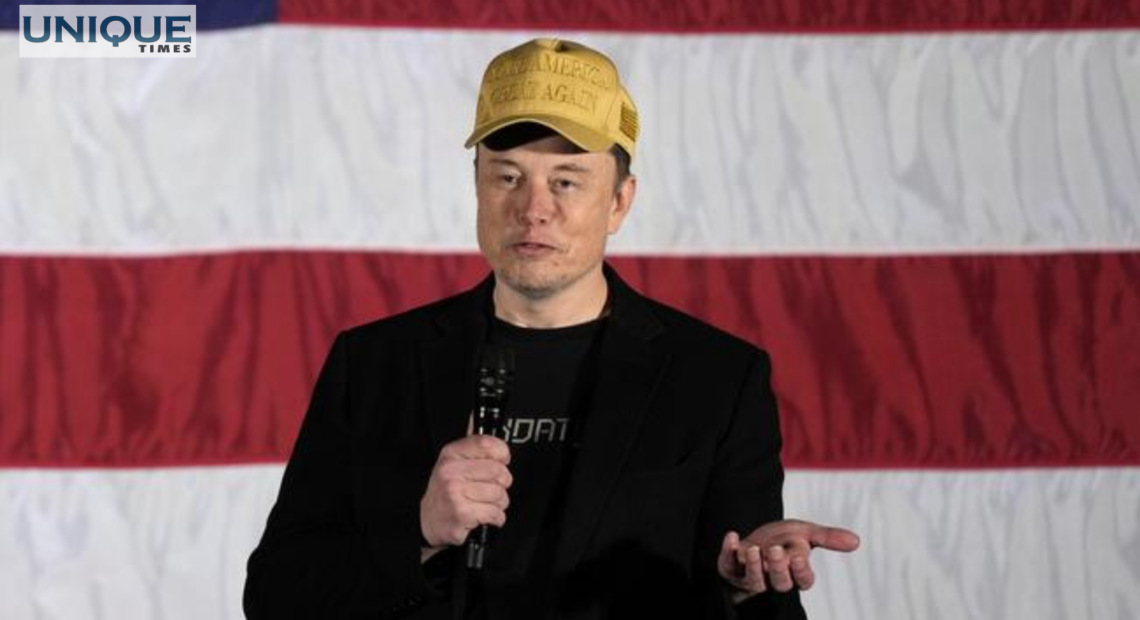
The Department of Government Efficiency (DOGE), tied to Elon Musk and operating under the White House’s cost-cutting initiative, has eliminated approximately $135 million in National Science Foundation (NSF) research funding, according to internal documents and sources familiar with the matter. The cuts impact dozens of grants, notably those aimed at combating AI-driven misinformation and deepfakes—an abrupt move that has shocked many inside the agency. DOGE, though not an official government department, is part of a broader effort to trim federal spending and reorient policy following President Donald Trump’s recent executive order.
NSF’s updated website confirms it will no longer fund research that combats misinformation, aligning with the administration’s view that such efforts could violate free speech protections. The decision echoes themes from Project 2025, a conservative policy roadmap suggesting the government should refrain from regulating speech. Still, insiders say the cancellation of deepfake detection grants—considered crucial in an age of rapidly advancing AI-generated content—was unexpected and could weaken national efforts to protect against digital deception.
The impact of these cuts is already being felt across U.S. universities. A $5 million grant at the University at Buffalo for training seniors to identify AI scams and a deepfake detection project at the Rochester Institute of Technology have been defunded, along with similar initiatives in South Carolina and Mississippi. The NSF, which previously laid off 170 employees in February—many with AI expertise—has yet to issue an official comment, while additional funding reductions are reportedly on the horizon.
Pic Courtesy: google/ images are subject to copyright






